Address:
7909 W Grand Pkwy S
Suite 280
Richmond, Texas 77407

Our Blog
Today's Vision Richmond Blog
Learn more about eye care in our blog!
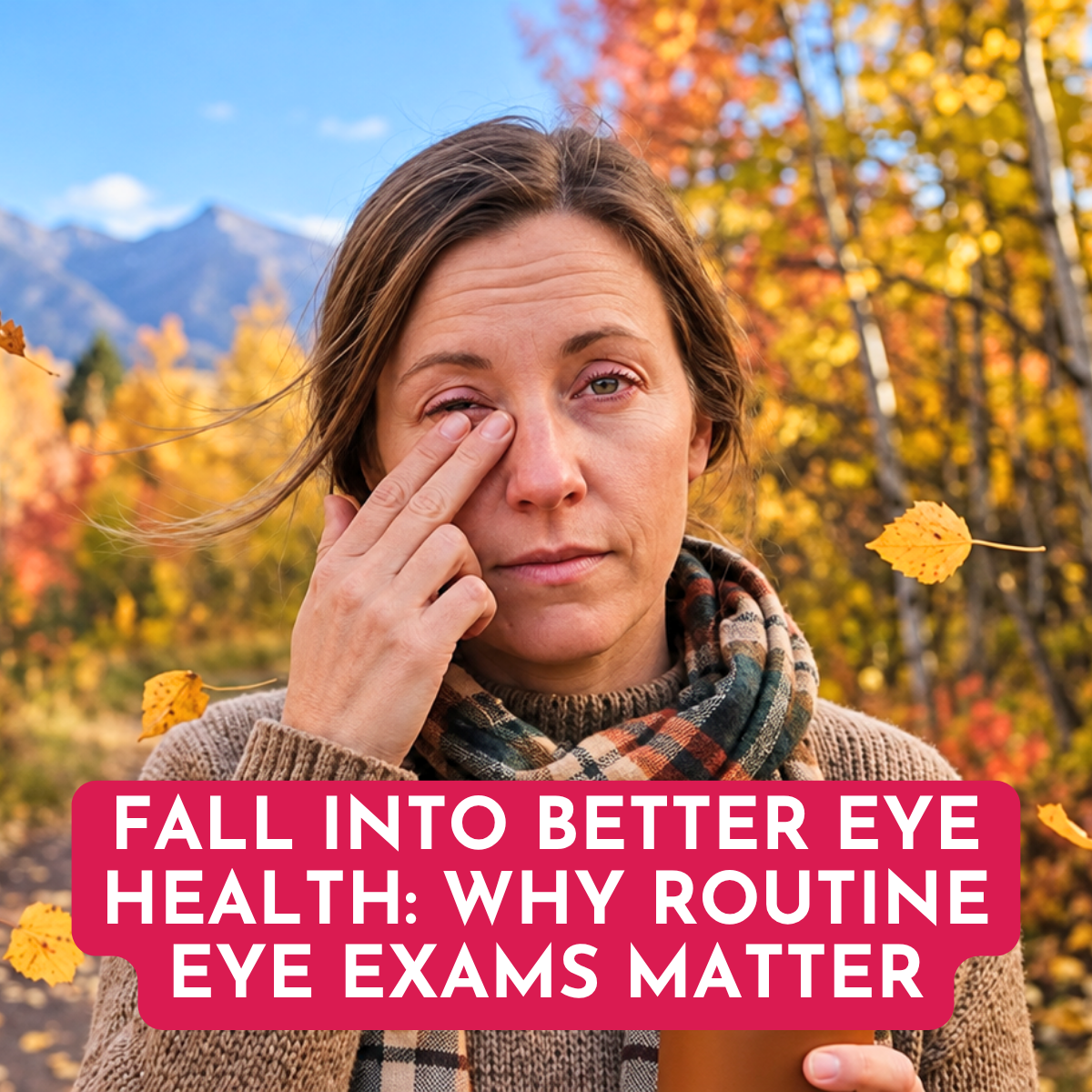
Fall has a way of resetting our routines. The kids are back in school. Schedules settle down. The weather changes. And before we know it, the end of the year is right around the corner. It’s also a good time to ask yourself one simple question: When was your last eye exam? If you can’t remember, it may be time to put one on the calendar.

Ask a young athlete what they're worried about this season and you'll probably hear sprained ankles, torn ligaments, or concussions. Rarely will you hear: "My eyes."
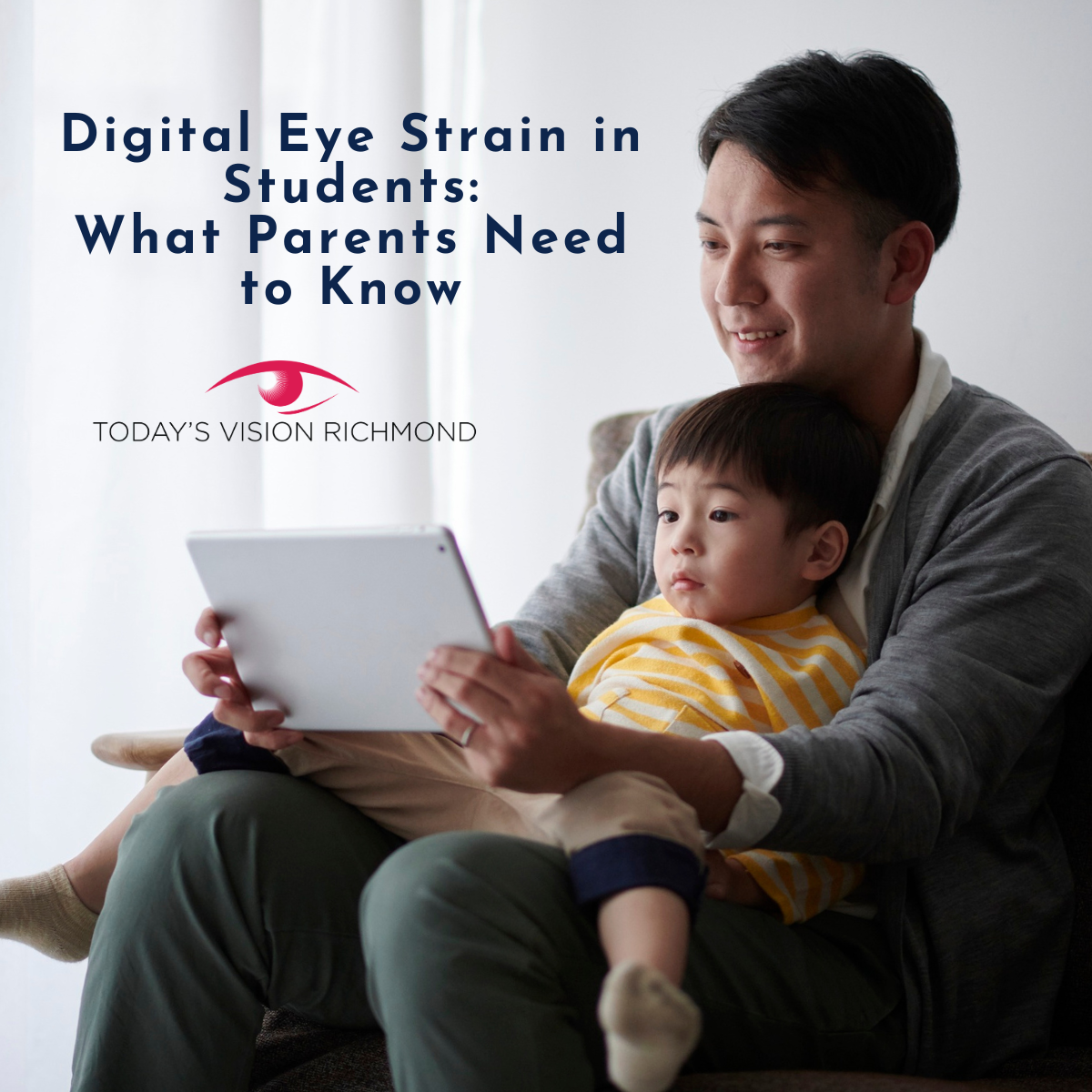
A generation ago, students stared at chalkboards. Today, they stare at screens, laptops, tablets, phones, smartboards, and chromebooks. Many students now spend more waking hours looking at digital devices than they do sleeping.
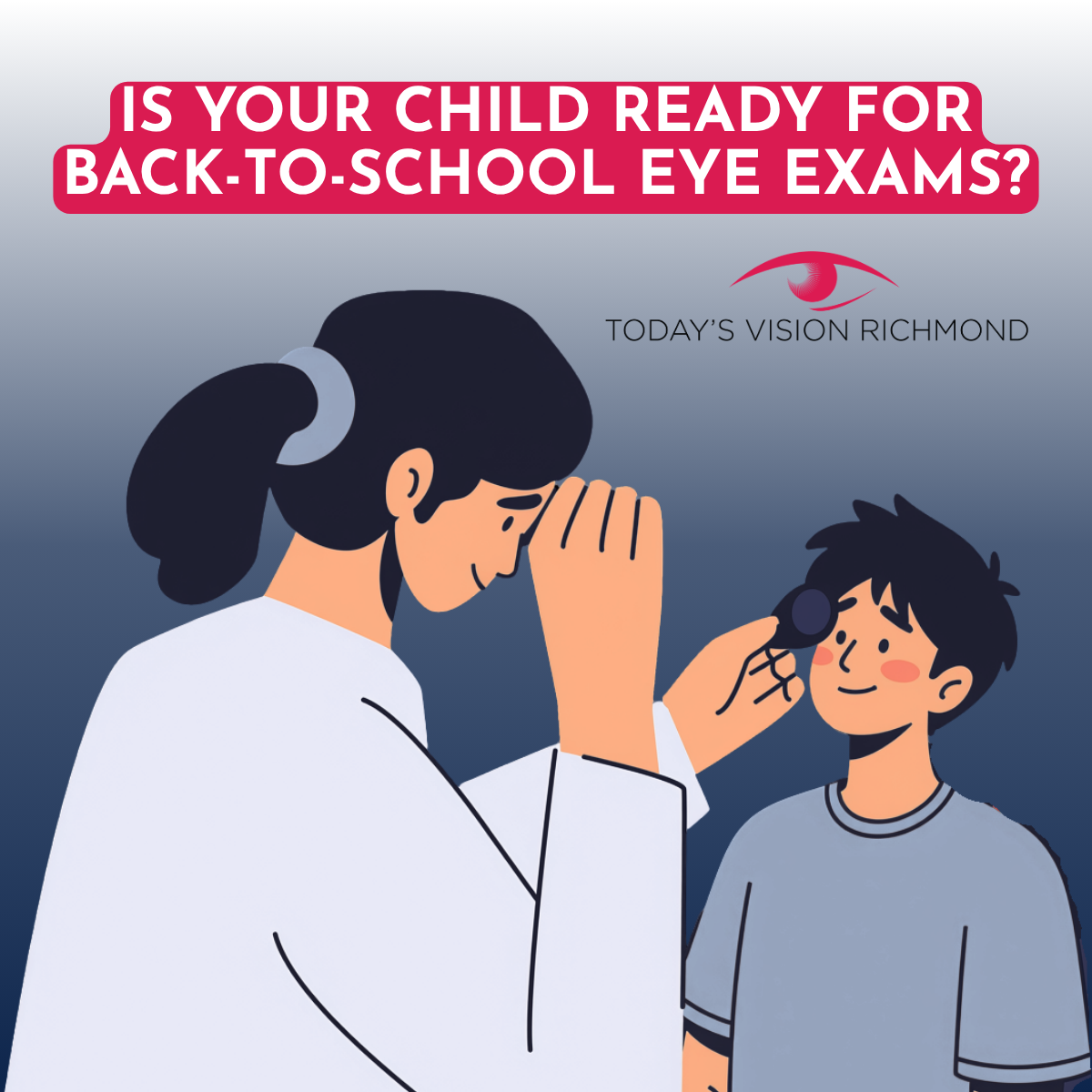
By August, most parents have checked off the essentials: ✓ Backpack✓ Notebooks✓ New clothes✓ Lunch box But there's one back-to-school tool that often gets overlooked: Your child's vision...


As the weather warms up and flowers begin to bloom, many people start experiencing seasonal allergy symptoms. While sneezing and congestion often get the most attention, allergies can also have a significant impact on your eyes. If you’ve noticed itchy, watery, or irritated eyes during the spring months, seasonal allergies may be the cause.

Spring is the perfect time to refresh your look and this year’s eyewear trends blend personality, comfort, and modern styling. Whether you’re into subtle sophistication or bold, artistic expression, 2025 has something for everyone.
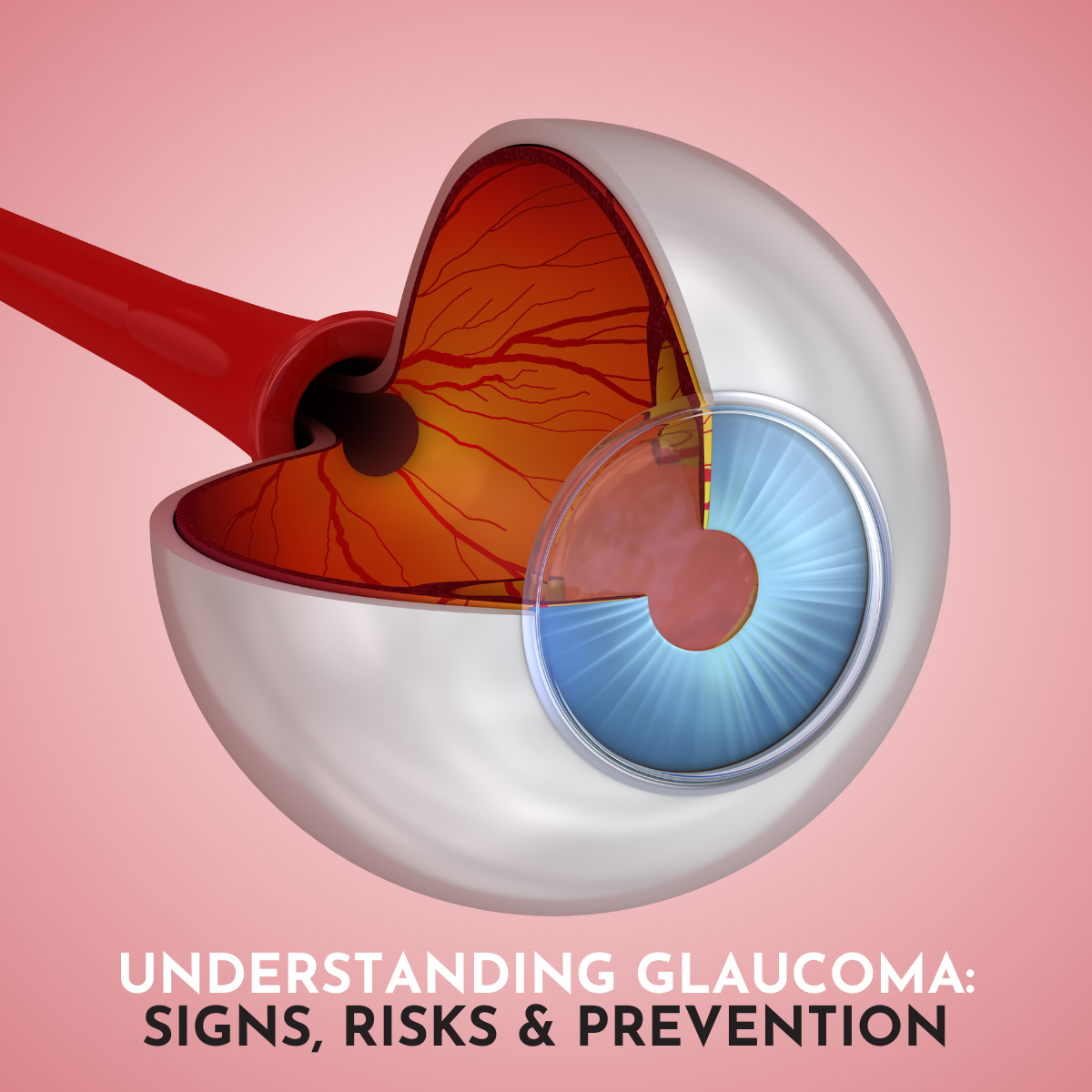
Glaucoma is a group of eye diseases that can damage the optic nerve, potentially leading to irreversible vision loss if left untreated. Often called the “silent thief of sight,” glaucoma may not cause noticeable symptoms until significant nerve damage has occurred, which is why regular eye exams are so important.
Winter often brings increased eye irritation, but the causes are more than just chilly weather. Dry indoor heat, long hours at screens, and seasonal allergies can all disrupt your tear film and make your eyes feel gritty, itchy, or tired. When your tears evaporate too quickly or fail to protect the surface of your eyes, that’s what we call dry eye, a very common condition that worsens in colder months.
Quick Links


© 2026 Today's Vision Richmond. All rights Reserved - Accessibility Statement - Privacy Policy - Sitemap

Powered by